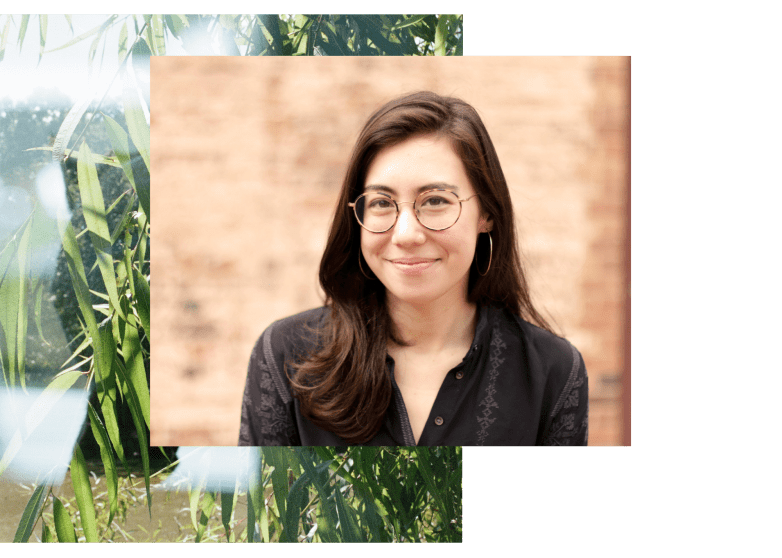
I am an Assistant Professor of Asian American studies in the Indigenous, Race, and Ethnic Studies (Ires) department at the University of Oregon, and I completed my Ph.D. in English and Comparative Literature at UNC-Chapel Hill. I think, write, and teach about Asian Americanness and Blackness in contemporary film, TV, and literature.
In my scholarly and creative writing, my critical concerns constellate around Asianness and Asian/American representational strategies. I address questions concerning: race, gender, film and media representations, literature, and especially the relationships of Asian and Black racialization in the North American context.
My interdisciplinary book project, Vexed Spaces: Asianness and Blackness in Contemporary Cultural Production, investigates Asian-Black relationality in popular media through often-repeated onscreen spaces: the Asian-owned convenience store, the college campus, the prison, and the urban freeway. Analyzing popular works like Kim’s Convenience, Dear White People, Atlanta, and Do the Right Thing, as well as novels such as Native Speaker and Tropic of Orange, I investigate how narratives of Asianness and Blackness circulate onscreen intertwined with carcerality, abolitionism, and radical moments of liberatory potential. TV touches so many of our lives and shapes our perceptions of ourselves and the world around us. Through my analysis of popular TV series, I center an Asian/American politic that is committed to Black liberation and the creation of spaces of freedom everywhere.
In addition, I regularly teach courses on race, film, literature, and writing. My recent courses have included “Techno-Orientalism,” “Eating America: Race, Food, and Empire”, “Crossings, Experiments, Futures: Asian American Media and Culture,” and “(De)Constructing Race Onscreen.”
As a prison-industrial-complex abolitionist and poet, I live and work for a better world on Kalapuya Ilihi, the traditional Indigenous homeland of the Kalapuya people, as well as the traditional land of the Multnomah, Wasco, Cowlitz, Kathlamet, Clackamas, Bands of Chinook, Tualatin, Molalla, and many other tribes who made their homes along the Columbia River, alongside the federally recognized Confederated Tribes of Grande Ronde, the Siletz, and the Cowlitz, as well as the Chinook Nation, which has been fighting for federal recognition. I acknowledge that I am an uninvited guest on these territories and give my gratitude to the rightful owners of the land.
 Abigail Jinju Lee