Crossings, Experiments, Futures: Asian American Media and Culture

What is Asian America? What are Asian American politics? And what are Asian American futures? This course approaches Asian American culture, literature, and politics through three themes: crossings, experiments, and futures. First, we will examine the intersections and crossings that form Asian America, analyzing inter-racial coalitions and conflicts, refugee, Indigenous, and queer Asian American culture. This forms the ground for our investigation into Asian American experimentalism and artists who choose to push the bounds of the possible in their creative forms. Race itself is an experiment, and avant-garde practices have shaped racialized communities that were “never meant to survive,” in Audre Lorde’s words. Living under racist and heteronormative structures of domination, racialized artists have sought radical and experimental ways of being and creating that deviate productively from Western norms. Finally, we will consider Asian American futures through speculative fiction and science fiction film. This unit leads us to ask, what are Asian American futures, and how do we live, resist, and imagine differently?

Sample films/literature:

  • If They Come for Us by Fatimah Asghar (poetry)
  • Night Is a SharkSkin Drum by Haunani-Kay Trask (poetry)
  • Iep-Jaltok by Kathy Jetn̄il-Kijiner (poetry)
  • Gook dir. Justin Chon (film)
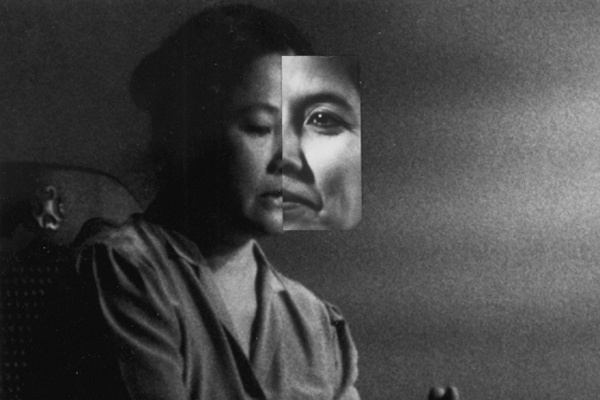
  • Surname Viet, Given Name Nam dir. Trinh T. Minh-ha (film)
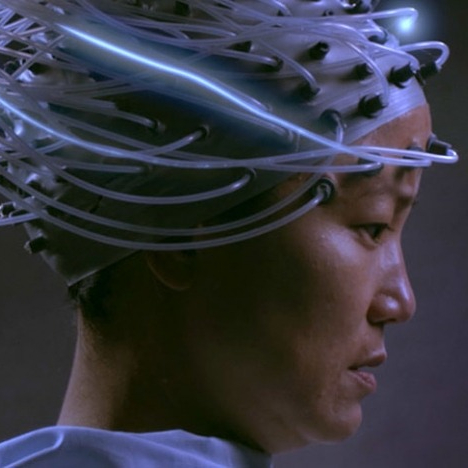
  • Advantageous dir. Jennifer Phang (film)
  • Soft Science by Franny Choi (poetry)

Sample critical texts:

  • Kandice Chuh, Imagine Otherwise: On Asian Americanist Critique
  • Lisa Lowe, Immigrant Acts: On Asian American Cultural Politics
  • Yê’n Lê Espiritu, “Toward a Critical Refugee Study: The Vietnamese Refugee Subject in U.S. Scholarship”
  • Asian American Feminisms and Women of Color Politics, edited by Shireen Roshanravan and Lynn Fujiwara
  • Helen Lee and Celine Parreñas Shimizu, “Sex Acts: Two Meditations on Race and Sexuality” 
  • Timothy Yu, Race and the Avant-Garde: Experimental Asian American Poetry Since 1965
  • Aimee Bahng, Migrant Futures: Decolonizing Speculation in Financial Times 
  • Vandana Singh, “A Speculative Manifesto”
Literature of Imprisonment

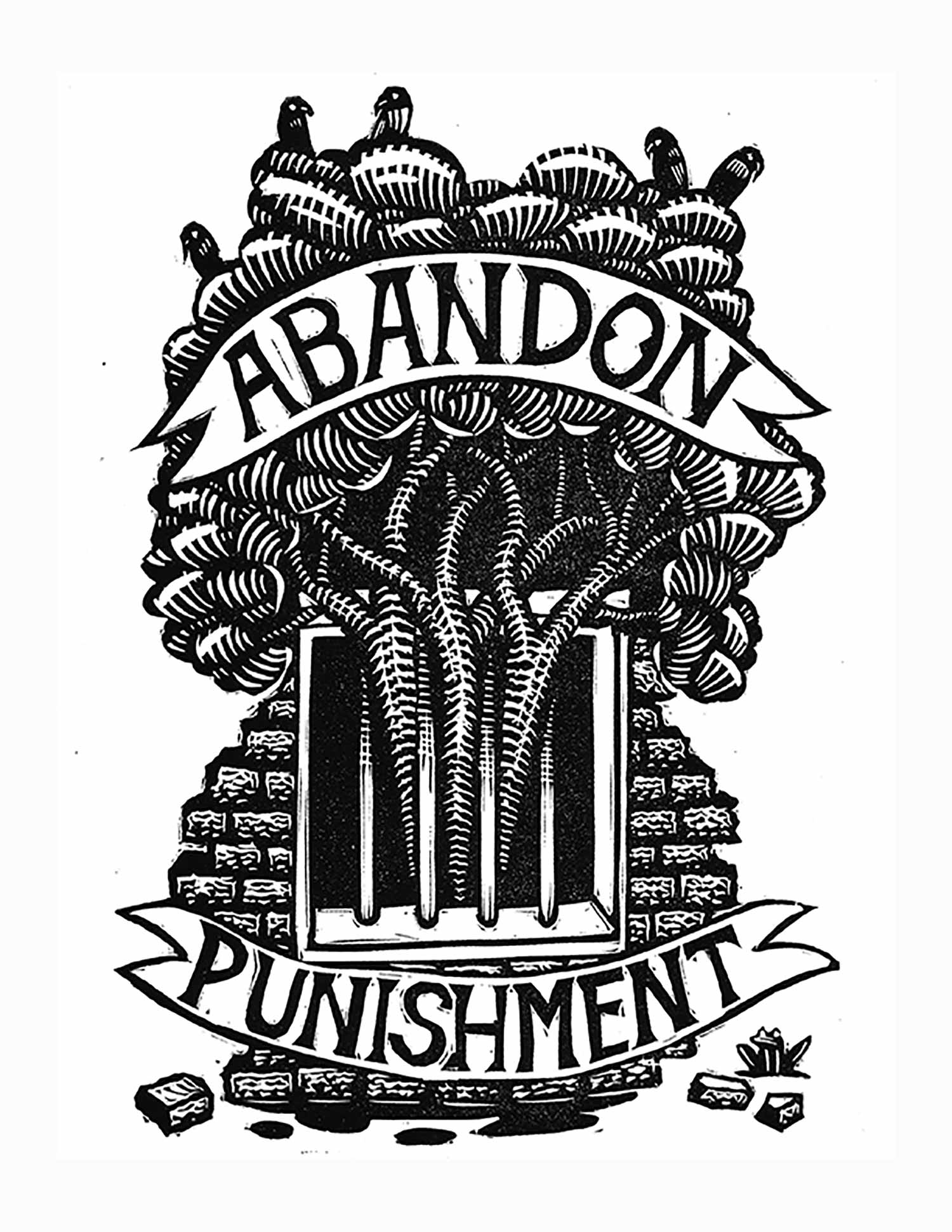
Taught in an NC state prison, this course explores the progression of American literature with an eye to investigating how these literatures reflect and refract the carceral in our society. As we chart this course, we learn terms and methods of analysis for fiction and poetry and develop an understanding of why a writer uses a certain literary technique—not just an ability to identify, but deeper skills in literary analysis.

Through exploring writings by prisoners, stories that deal with criminality, punishment, hope, and freedom, examine how the United States thinks about itself, using these perspectives on the fundamental right to freedom and the ways that those freedoms are denied.

Sample texts:

  • Claudia Rankine, Citizen
  • Angela Davis, Are Prisons Obsolete?
  • Frank B. Wilderson, “We’re Trying to Destroy the World”
  • Assata Shakur, “Women in Prison: How It Is with Us”
  • Michel Foucault, Discipline and Punish

(De)constructing Race Onscreen

How race is constructed onscreen? And how have filmmakers of color challenged, transformed, and deconstructed racial logics, pushing back against stereotypes and limits? This course examines many genres of film, including science fiction, horror, comedy, superhero franchises, and documentary. By grouping films by genre, we will both come to understand generic conventions and innovations—ways in which artists of color have twisted, played with, and exploded genres to create powerful testaments to their creativity and resistance. Using film as our lens, we will examine racial structures, decoloniality, and gender in the U.S. and beyond, paying special attention to the relationships between racialized groups, including Black, Asian, and Indigenous, and Latinx perspectives.

Sample films:

  • Watermelon Woman (1997)
  • Surname Viet, Given Name Nam (1989)
  • Black Panther (2018)
  • The Host (2006)
  • Mississippi Masala (1992)
  • Sleep Dealer (2008)

Sample texts:

  • bell hooks, “The Oppositional Gaze: Black Female Spectators”
  • Trinh T. Minh-ha, The Moon Waxes Red: Representation, Gender, and Cultural Politics
  • Martine Sims, “The Mundane Afro-futurist Manifesto”
  • Lisa Lowe, The Intimacies of Four Continents
  • Hortense Spillers, “Mama’s Baby, Papa’s Maybe: An American Grammar Book”